English
  French
  German
  Spanish
  Portuguese
  Dutch
Dutch  Italian
  Russian
  Chinese
  Japanese
  Korean
  Indonesian
  Thai
Thai  Vietnamese
  Arabic
  Turkish
  Hebrew
  Hindi
Hindi 
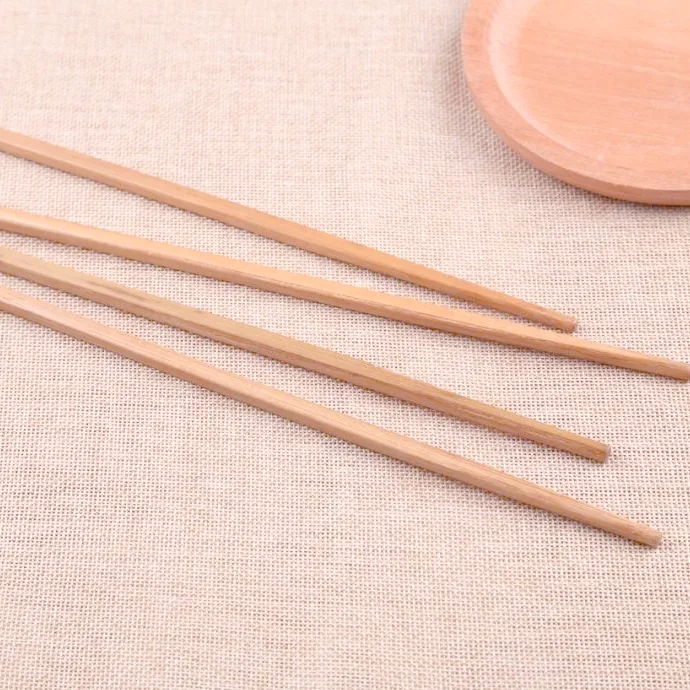
Yes, bamboo chopsticks can be reusable—but it depends on their design, quality, and how you care for them. Here’s a detailed breakdown to clarify:
1. Reusable vs. Disposable Bamboo Chopsticks
-
Disposable bamboo chopsticks (common in restaurants, takeout, or cheap packs): These are thin, lightly processed, and often treated with a thin layer of wax or oil for durability. They’re designed for single use because:
- Their thin structure weakens after washing (prone to splitting, warping, or harboring bacteria).
- The surface coating may degrade with water/heat, making them unsafe for repeated use.
-
Reusable bamboo chopsticks (sold as “household” or “eco-friendly” versions): These are thicker, made from high-quality bamboo (e.g., mature moso bamboo), and often treated with food-grade oil (like linseed oil) or natural sealants. Key features for reusability:
- Sturdier construction (thicker diameter, solid bamboo vs. split/pressed layers).
- No harmful coatings—only food-safe treatments to resist moisture and bacteria.
2. How to Safely Reuse Bamboo Chopsticks
To extend their lifespan and keep them hygienic:
- Wash immediately after use: Rinse with warm water and mild dish soap (avoid harsh chemicals that damage bamboo). Use a soft brush to scrub food residue, then rinse thoroughly.
- Dry completely: Bamboo is porous—moisture leads to mold or mildew. Air-dry upright (in a chopstick holder) or pat dry with a clean towel before storing.
- Avoid extreme heat: Don’t soak them in hot water for long, microwave, or put them in the dishwasher (high heat/water pressure causes warping and cracking).
- Treat periodically: Every 1–2 months, rub them with a small amount of food-grade oil (e.g., sesame oil, mineral oil) to replenish moisture and maintain their finish.
- Replace when needed: Discard if you notice splitting, mold, a persistent odor, or significant wear (bamboo is biodegradable, so it’s eco-friendly to replace).
3. Why Reusable Bamboo Chopsticks Are a Great Choice
- Eco-friendly: Reduces waste from disposable chopsticks (which contribute to deforestation and landfill).
- Cost-effective: A single pair of reusable chopsticks (typically $5–$15) replaces hundreds of disposable ones.
- Safe & natural: Bamboo is non-toxic, renewable, and has natural antibacterial properties (when properly maintained).
- Cultural & practical: Perfect for daily use, travel, or gifting—many reusable pairs come with portable cases for on-the-go use.