English
  French
  German
  Spanish
  Portuguese
  Dutch
Dutch  Italian
  Russian
  Chinese
  Japanese
  Korean
  Indonesian
  Thai
Thai  Vietnamese
  Arabic
  Turkish
  Hebrew
  Hindi
Hindi 
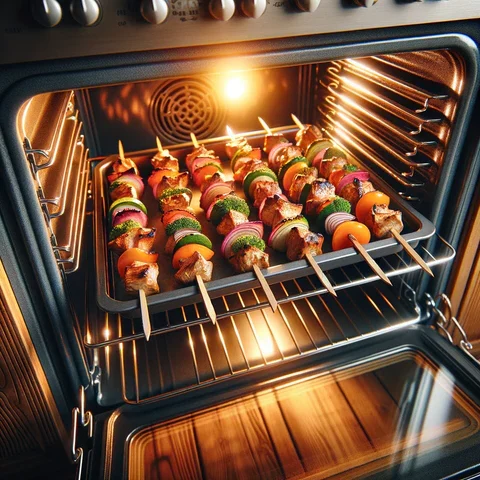
Yes, bamboo skewers can be used in the oven—but with key safety and performance guidelines (critical for both home cooks and commercial kitchens like restaurants/caterers). Below is a clear, actionable guide for your website’s FAQs, product pages, or usage tips section, aligned with your bamboo products’ core 卖点 (food-safe, eco-friendly, versatile):
🌟 Core Answer: Yes, But Follow These Rules
Bamboo skewers are oven-safe when prepared correctly—they’re perfect for roasting, baking, or broiling (vs. just grilling!). The key is to prevent drying out, burning, or splintering (especially important for commercial use, where consistency and safety matter).
📋 Step-by-Step Oven-Use Guidelines
1. Soak First (Non-Negotiable!)
- Soaking time: 30 minutes to 1 hour (for standard 3-4mm skewers); 2 hours for thick skewers (4mm+).
- Why? Soaking hydrates the bamboo, creating a moisture barrier that resists oven heat. This prevents charring, splintering, or releasing unwanted odors into food.
- Pro tip: Use cold water (room temp is fine—hot water softens bamboo). Add 1 tbsp salt/vinegar (optional) to boost durability and reduce natural bamboo scent (great for B2B clients like bakeries or caterers prioritizing food neutrality).
2. Stick to Safe Oven Temperatures
- Maximum temperature: 425°F (220°C) for standard bamboo skewers; avoid broiler settings (direct high heat can burn skewers even when soaked).
- Commercial use note: For restaurants/caterers roasting in bulk, keep oven temps at 375°F (190°C) or below for longer cook times (e.g., 30+ minutes) to maintain skewer integrity.
3. Choose the Right Skewer Length & Placement
- Length: Ensure skewers are 1-2 inches shorter than your baking dish/oven tray (prevents ends sticking out and burning on oven walls).
- Placement: Lay skewers flat on a lined baking sheet (parchment paper/aluminum foil) or rest them across the edges of a dish (for kebabs with heavy ingredients like steak or potatoes).
- Avoid overcrowding: Space skewers out to let heat circulate—prevents moisture buildup and uneven cooking (critical for commercial kitchens aiming for consistent results).
4. For Long Cook Times (30+ Minutes)
- Wrap the exposed ends of skewers in aluminum foil (blocks direct heat and stops charring).
- Use thicker skewers (4mm+) for dishes like roasted whole chicken rolls or stuffed veggies—they hold up better to extended baking.
🎯 Ideal Oven Uses (B2B + B2C Focus)
Bamboo skewers shine in oven applications for both commercial and home use—highlight these to buyers:
👉 Commercial (Restaurants/Caterers/Retail)
- Kebabs & roasted bites: Chicken, beef, veggie, or seafood kebabs (e.g., Mediterranean shawarma, Italian antipasto skewers) – disposable, so no cleaning time.
- Appetizers & party platters: Roasted mini meatballs, stuffed dates, or bacon-wrapped asparagus – easy to portion and serve at events/weddings.
- Bento boxes & meal prep: Pre-roasted skewers for takeout/delivery (e.g., sushi bowls, salad toppings) – keeps ingredients separated and intact.
- Bakery items: Cake pops, chocolate-dipped fruit, or marshmallow sticks (for s’mores bars) – eco-friendly alternative to plastic picks.
👉 Home Use
- Weeknight dinners: Sheet-pan chicken veggie skewers, air fryer (oven-safe!) shrimp kebabs, or roasted fruit skewers (topped with cinnamon).
- Meal prep: Skewer grilled chicken + veggies for quick salads or grain bowls.
- Desserts: Baked apple slices, caramelized pineapple, or churro bites – portable and mess-free.
❌ What to Avoid
- Don’t use dry skewers: Unsoaked bamboo will burn, splinter, or even catch fire in the oven.
- Don’t exceed 425°F (220°C): High temps break down bamboo fibers, leading to brittleness.
- Don’t use for broiling: Direct broiler heat is too intense—stick to grilling or baking.
- Don’t reuse disposable skewers: Single-use design ensures food safety (critical for commercial clients adhering to hygiene standards).